Unveiling the Epic Saga: A Closer Look at "Star Wars: Revenge of the Sith" Theater Info
The Star Wars franchise has been a cultural phenomenon for decades, captivating audiences with its richly detailed universe, memorable characters, and epic storylines. Among the most pivotal films in the series is Star Wars: Episode III - Revenge of the Sith, directed by George Lucas and released in 2005. This installment is particularly notable for its dramatic shift in the narrative, setting the stage for the events of the original trilogy. For fans and newcomers alike, understanding the theater info surrounding Revenge of the Sith can enhance the viewing experience, offering insights into the film's production, themes, and impact on the Star Wars universe.
A Brief Overview of "Star Wars: Revenge of the Sith"
Revenge of the Sith takes place three years after the events of Attack of the Clones. The galaxy is on the brink of collapse, with the Clone Wars raging between the Galactic Republic and the separatist droid army. Anakin Skywalker, now a skilled but headstrong Jedi Knight, is tasked with protecting Senator Padmé Amidala, with whom he has fallen in love and secretly married. Meanwhile, Chancellor Palpatine, who is actually the Sith Lord Darth Sidious, manipulates Anakin's fears and ambitions, drawing him to the dark side of the Force. This internal conflict culminates in a tragic fall that changes the course of the galaxy forever.
Theater Info and Production Insights
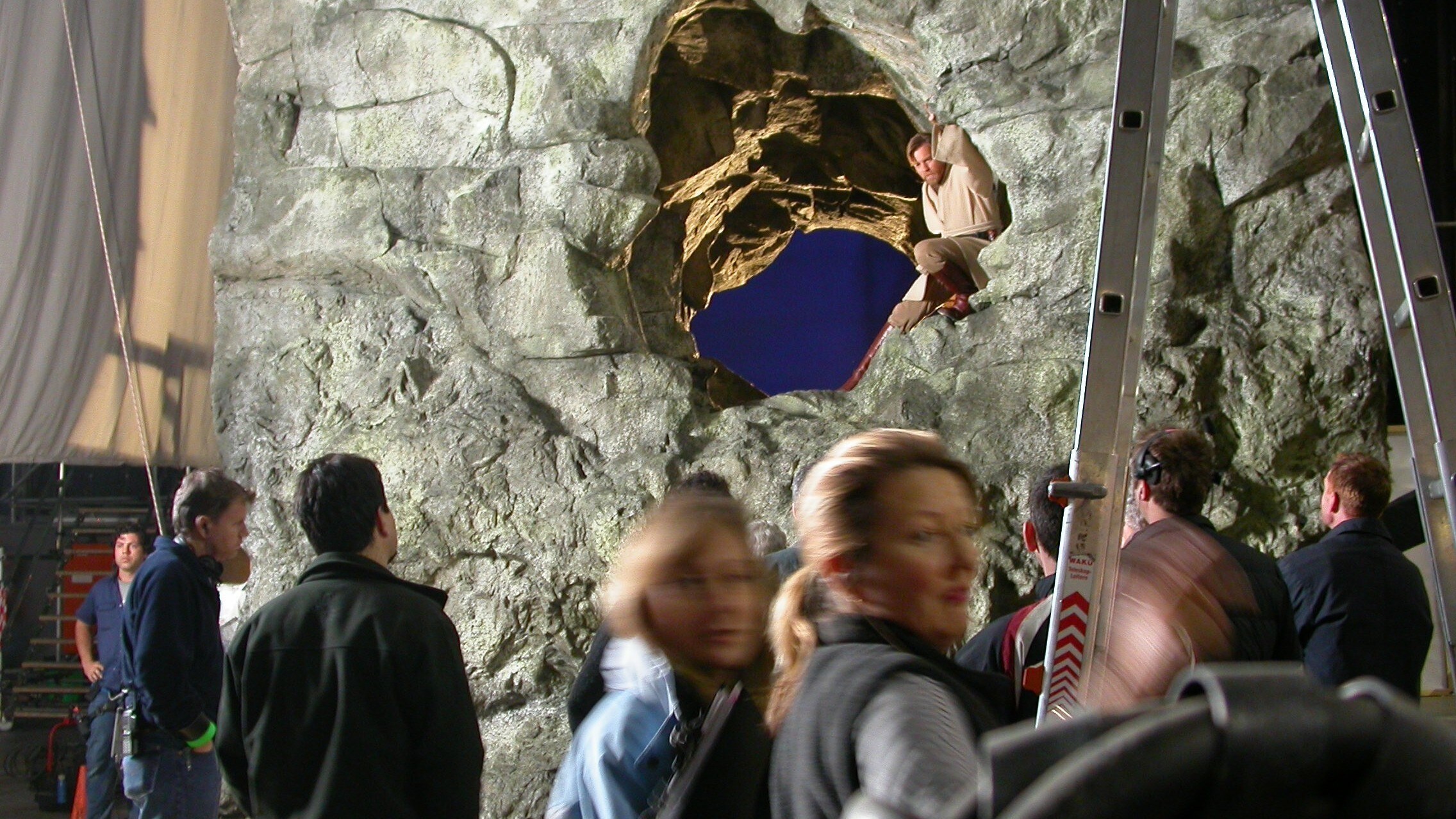
The production of Revenge of the Sith was marked by significant advancements in digital technology, allowing for more complex and detailed environments and characters. The film features extensive use of green screen and CGI, enabling the creation of lush planets, space battles, and lightsaber duels that have become iconic in pop culture. The soundtrack, composed by John Williams, adds depth and emotion to the film, with themes that reflect the turmoil and tragedy of the story.
For those interested in the technical aspects of filmmaking, Revenge of the Sith offers a compelling case study. The film's use of digital cinematography and innovative sound design sets it apart from its predecessors, showcasing the evolving capabilities of filmmaking technology in the early 2000s.
Impact and Legacy
Revenge of the Sith received widespread critical acclaim for its engaging storyline, improved action sequences, and the performances of its cast, including Ewan McGregor, Natalie Portman, and Hayden Christensen. The film's success can be measured not only by its box office performance but also by its lasting impact on the Star Wars saga. It bridges the gap between the prequel trilogy and the original trilogy, providing a satisfying narrative arc for Anakin Skywalker's transformation into Darth Vader.
Furthermore, Revenge of the Sith has inspired countless fan creations, from fan fiction and art to cosplay and fan films. Its influence extends beyond the Star Wars fandom, with references in music, television, and film that attest to its cultural significance.
Star Wars: Episode III - Revenge of the Sith is a masterpiece of modern cinema, offering a complex and emotionally charged narrative that explores the themes of friendship, loyalty, and the struggle between good and evil. For fans looking to delve deeper into the Star Wars universe, understanding the theater info and production insights of Revenge of the Sith can provide a richer viewing experience. As the franchise continues to evolve with new series and films, Revenge of the Sith remains a pivotal chapter in the Star Wars saga, a testament to the power of storytelling and the enduring appeal of a galaxy far, far away.





![[Discussion Starter] Favorite Movie Stills (Revenge of the Sith) | Fandom](https://static.wikia.nocookie.net/5154e155-c789-4cf5-a730-f8e612e97430)